
The Australian betting scene has always been a bit of a wild ride, hasn’t it? From the old-school pubs with their flickering TAB screens to the slick mobile apps that let you throw a quid on a horse race before you’ve even finished your flat white, the landscape has shifted under our feet. Now, there’s a growing crowd of seasoned punters and industry insiders talking about test betting for experts, a approach that’s less about chasing a quick thrill and more about running the numbers before the real money hits the table.
You can’t just walk into a Sydney casino or log into an online platform and expect to crack the code without doing your homework. The regulators down here have tightened the screws, the operators have sharpened their algorithms, and the punters themselves have gotten smarter about how they approach their wagers. That’s where the whole idea of running controlled trials comes into play, and it’s becoming a serious talking point among those who actually know their way around a probability curve.
I sat down with a few people who’ve been watching this space closely, and the consensus is pretty clear: if you’re going to treat betting like a skill-based pursuit rather than a gamble, you need to treat it like a proper trial run. Not a casual flutter, but a structured exercise where you’re testing your edge, measuring your variance, and figuring out whether your strategy actually holds up when the odds start moving. It’s a bit like backtesting a trading algorithm, except the market’s got a lot more heart and a lot less spreadsheet.
The conversation around test betting for experts has been bubbling up across forums, industry panels, and even a few of the bigger operator webinars. It’s not about handing out free spins or chasing bonus offers, though there’s definitely a place for those when you’re dipping your toes in. It’s about understanding the mechanics, the local market quirks, and the regulatory environment that shapes every single wager down under. So let’s walk through how this actually works, what the numbers look like, and why a growing number of serious punters are treating their betting like a proper lab experiment.
The Local Market and Why Trial Runs Matter
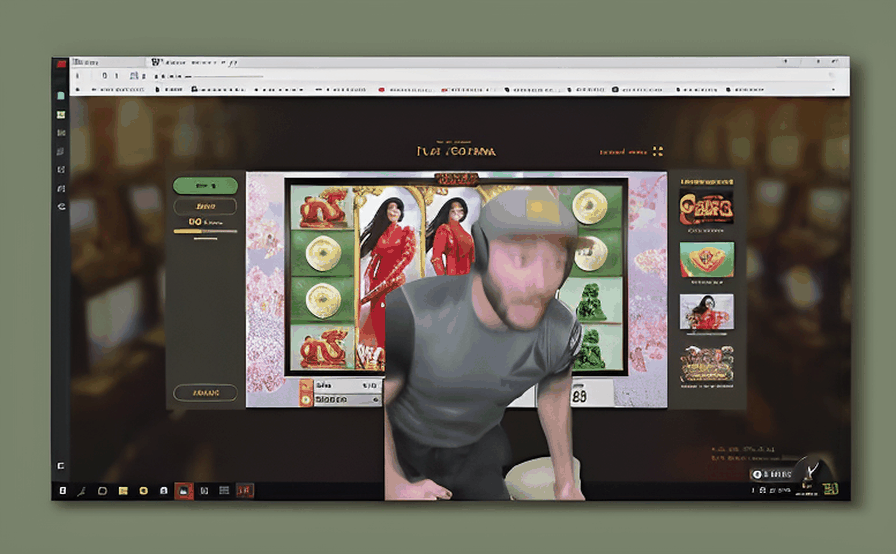
If you’ve spent any time around the Australian betting scene, you know the margins are razor-thin and the competition is fierce. The big operators are fighting for every dollar, and the punters have got more choice than ever before. That means the old-school approach of just throwing money at a favourite and hoping for the best doesn’t cut it anymore, not if you’re actually trying to build a consistent edge over the long run.
The regulated market here has matured in a way that mirrors what happened with sports betting a decade ago. You’ve got strict licensing frameworks, responsible gambling mandates, and a whole lot of transparency around how odds are set and how bonuses are structured. For someone who’s serious about their wagering, that environment is actually a gift, because it means you can run a proper trial without the kind of opaque conditions you’d find in less regulated markets.
There’s a real shift happening where experienced punters are treating their approach more like a disciplined exercise than a casual pastime. That’s where test betting for experts starts to make sense as a practical framework rather than just a buzzword. You’re not just placing bets to see what happens; you’re setting parameters, tracking your results, and figuring out whether your read on the market is actually grounded in something repeatable.
I caught up with Claire Baker, Gaming Technology Consultant, Blue Mountains Interactive, and she pointed out that the local market’s transparency is what makes these trial runs viable in the first place.”The Australian operators have had to open up their data and their bonus structures to regulators, which means you can actually run a proper trial without guessing what’s behind the curtain,” she said.”If you’re testing your edge, you want a market where the rules are clear and the payout mechanics are documented, because otherwise you’re just throwing darts in the dark.”
Why Experienced Punters Run Controlled Trials
There’s a reason seasoned bettors are increasingly talking about structured trial runs instead of just jumping straight into high-stakes wagering. The variance in this game is brutal, and even a solid read on a market can get swallowed by a bad run of form or a sudden shift in the odds. Running a controlled trial lets you separate skill from luck before you’re committing serious capital.
The whole point is to build a track record that actually means something. You set your stake limits, you define your market focus, and you run a fixed number of trials so you can see whether your approach holds up across different conditions. It’s not about chasing a big win in a single session; it’s about proving that your method can survive the ups and downs that come with any kind of probabilistic game.
For the punters who’ve been around the block, that discipline is what separates the serious players from the recreational crowd. They’re not just looking at a single result and calling it a day; they’re tracking their return across a sample size that’s large enough to actually tell them something. That’s the kind of mindset that makes test betting for experts more than just a fancy phrase thrown around in online forums.
Zoe Bennett, Gaming Technology Consultant, Kangaroo Point Analytics, sees this shift playing out in the data she works with every day.”When you look at the punters who actually stick around and build a consistent record, they’re the ones who treat their early sessions like a controlled experiment rather than a free-for-all,” she said.”They’re setting their parameters, watching how the odds move, and figuring out whether their read on the market is actually holding up before they scale up.”
How the Numbers Behave Under Real Conditions
If you’re going to run a proper trial, micheldiaspersonal.com.br you need to understand how the numbers actually behave when real money and real odds are in play. The theoretical edge you might have on paper doesn’t always translate cleanly into the live market, because the operators are adjusting their lines, the liquidity shifts, and the market’s reacting to information you might not even have picked up on yet.
That’s why a lot of the experienced punters are paying close attention to how their trials perform across different market conditions. You might run your approach on a quiet Tuesday session and see one result, then run the same approach on a packed Saturday when the volume’s through the roof and the odds are moving fast. The variance between those two environments can tell you a lot about whether your method is robust or just lucky in a low-pressure setting.
The numbers also behave differently depending on the product you’re testing. A sports betting market has its own rhythm, a casino table game has another, and the online pokies that dominate so much of the Australian market have their own payout structures and volatility profiles. You can’t just assume that a trial run on one product tells you anything meaningful about another, which is why serious punters tend to keep their testing focused and narrow.
Emily Stewart, Head of Analytics, Southern Capital Advisory, has been tracking how these trial runs play out across different product lines, and she’s noticed a clear pattern in the data.”The punters who actually get value out of their trial sessions are the ones who keep their testing tight and focused on a single market or product type,” she said.”Once you start mixing too many variables into the same run, the noise drows out the signal, and you end up with results that don’t tell you anything useful.”
Bonus Structures and What to Watch For
Bonuses and promotional offers are a huge part of the Australian online betting landscape, and they’re also one of the easiest places for a trial run to go off the rails if you’re not careful. The operators roll out all sorts of incentives to get punters in the door, and while some of them are genuinely useful, others come with terms that can quietly eat into your results if you’re not reading the fine print.
That’s why a lot of the experienced punters are treating bonus offers as part of their trial environment rather than just a free handout. They’re checking the wagering requirements, the game restrictions, the time limits, and the withdrawal conditions before they even start placing bets. If the terms don’t line up with the kind of trial they’re trying to run, they’ll walk away, because a bonus that locks you into a product you don’t want to test is just a distraction.
There’s a growing awareness that promotional offers need to be evaluated on their own terms, not just on the headline amount. A modest bonus with clean, straightforward conditions can be a lot more useful for a trial run than a big splashy offer that comes with a maze of restrictions. The punters who’ve been around the block know that the real value is in the details, not the marketing copy.
For those seeking to test this theory without immediate financial commitment, a spinago casino no deposit bonus provides a practical benchmark for transparency. These types of incentives allow players to gauge the real value of a platform before diving into the complexities of wagering requirements. You can explore current examples and terms at https://spinagopromocodes.com/au/ to see how straightforward offers compare.
For those looking to explore what’s out there without committing to a full deposit straight away, checking out a spinago casino no deposit bonus can be a useful way to get a feel for the platform’s mechanics before you’re putting serious money on the line. It’s not a shortcut to a winning strategy, but it can give you a clean window into how the operator’s interface, payout timing, and game selection actually work in practice.
Navigating Rules and Responsible Play Down Under
The Australian regulatory environment has a lot of moving parts, and anyone running a trial run needs to be across the basics before they start placing bets. The state-based licensing frameworks, the federal advertising restrictions, and the responsible gambling mandates all shape what operators can offer and how punters can interact with the platforms. It’s not the kind of landscape where you can just ignore the rules and hope for the best.
For the serious punters, that regulatory clarity is actually a help rather than a hindrance. It means the operators have to be upfront about their terms, their odds, and their payout structures, which gives you a cleaner environment for running a trial. You’re not guessing whether a bonus is legitimate or whether a withdrawal is going to get held up for obscure reasons; the framework is there to keep things transparent, and that transparency is what makes a disciplined trial run possible in the first place.
Responsible play is also a huge part of the conversation, and it’s something that the experienced punters take seriously when they’re setting up their trials. They’re defining their stake limits, their session lengths, and their loss thresholds before they even start, because a trial run that turns into a reckless session defeats the whole purpose. The goal is to test an approach, not to chase losses or blow through a bankroll in a single sitting.10play
If you want a sense of how the local broadcasters and operators are handling the messaging around responsible play and market transparency, you can have a look at the coverage over on 10 Play, where the sports and betting content tends to walk the line between entertainment and clear information. It’s not a betting platform, but it gives you a feel for how the broader market is talking about the space and what the punters are actually paying attention to.
Tools and Tracking Methods That Actually Work
Running a proper trial run means you need to be tracking your results in a way that actually tells you something, and that’s where a lot of punters fall short. They’ll place a bunch of bets, note down a few outcomes, and then draw conclusions from a sample that’s too small or too messy to be useful. The ones who get value out of their trials are the ones who treat their tracking like a proper dataset.
That means logging the market, the odds, the stake, the result, and any relevant context like whether the line moved before you placed the bet or whether you were testing a particular product type. You want enough detail that you can go back and actually analyse what happened, not just a vague note that says you won or lost on a given day. The more structured your tracking, the more you can learn from the trial.
There’s also a growing use of simple analytics tools among the experienced punters, things like spreadsheet templates, basic probability calculators, and session trackers that let them see their variance over time. They’re not trying to build a trading desk out of their betting, but they are using enough structure to separate a genuine edge from a lucky run. That’s the kind of discipline that makes test betting for experts a practical exercise rather than just a theory.
The punters who’ve been doing this for a while know that the tools don’t need to be fancy; they just need to be consistent. If you’re logging your results in a way that lets you actually compare one session to the next, you’re already ahead of the crowd that’s just placing bets and hoping the numbers work out. The structure is what turns a trial into something you can actually learn from.
Picking Operators and Comparing the Market
When you’re setting up a trial run, the operator you choose matters more than a lot of punters realise. The platform’s interface, the speed of the odds updates, the range of markets, the bonus terms, and the withdrawal process all shape what your trial actually looks like. You can have a solid approach on paper, but if the operator’s environment doesn’t line up with what you’re trying to test, your results are going to be noisy at best.
That’s why the experienced punters tend to be selective about where they run their trials, and they’re not just picking the operator with the loudest marketing. They’re looking at the product range, the transparency of the terms, the reliability of the payouts, and the overall fit with the kind of testing they want to do. A platform that’s built for high-volume sports punters might not be the right place to test a casino-focused approach, and vice versa.
There’s also a practical element to comparing operators, because the Australian market has a few clear leaders that most punters are familiar with. Joe Fortune has stood out as one of the leaders of the Australian market in the comparison table, and that kind of positioning matters when you’re trying to figure out which platforms are actually built for the kind of structured testing you’re planning to run.
The punters who’ve been around the block know that the operator choice is part of the trial design, not just an afterthought. If you’re testing a particular approach, you want a platform that gives you a clean, reliable environment to see whether that approach actually works. The rest is just noise, and the experienced crowd knows better than to let noise cloud their results.
Turning Trial Results Into a Real Edge
Once you’ve run your trial and you’ve got a dataset that actually means something, the real work starts. That’s where you take what you’ve learned and figure out whether your approach is something you can scale, something you need to tweak, or something that just doesn’t hold up under real conditions. The trial isn’t the end of the process; it’s the point where you actually get to make a decision based on evidence rather than hope.
The punters who get the most out of their trials are the ones who treat the results as a starting point, not a final verdict. They’ll look at their variance, their win rate, their stake efficiency, and any patterns that showed up across different market conditions. If the numbers are pointing in a clear direction, they’ll adjust their approach and run another trial to see whether the change actually improves things. If the numbers are messy, they’ll narrow their focus and try again with a tighter design.
That iterative process is what separates the serious punters from the crowd that’s just placing bets and hoping for the best. They’re not expecting a single trial to give them a magic formula; they’re using each run to build a clearer picture of what works and what doesn’t. Over time, that builds into a real edge, one that’s grounded in data rather than gut feel.
The whole idea of test betting for experts comes down to that kind of disciplined, evidence-based approach. It’s not about finding a shortcut or chasing a big win in a single session; it’s about building a method that you can actually trust when the variance hits and the odds start moving. The punters who’ve been doing this for a while know that the edge doesn’t come from a single bet or a single bonus; it comes from running the numbers, learning from the results, and sticking with the process long enough to see what actually holds up.
